How to Build Equity by Buying the Right Home — Not the Most Updated One
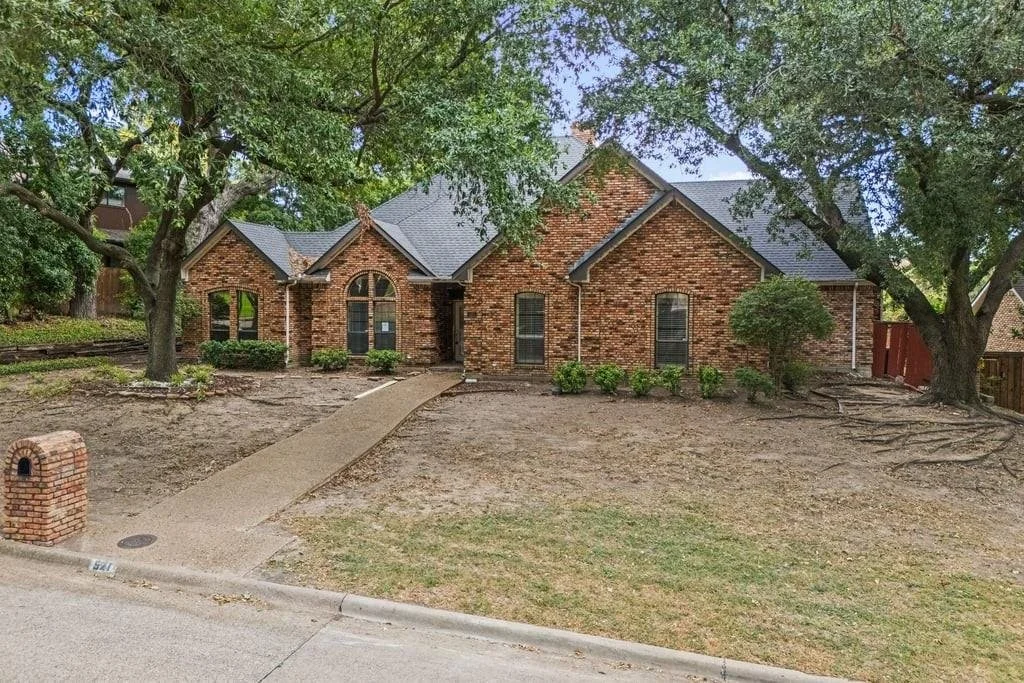
521 Shoreview Drive, Rockwall TX
When buyers think about building equity, they often focus on appreciation over time or making a large renovation.
But there’s another approach that can be much simpler:
Buy the right house in the right location — even if it isn’t the prettiest one on day one.
That may mean choosing a smaller home in a desirable neighborhood. Or a house with dated finishes, an older kitchen, or bathrooms that need updating. Maybe the flooring is tired, the paint colors are not your style, or the landscaping needs work.
The goal is not to buy a major fixer-upper.
The goal is to find a home that already has the things that are hard — or impossible — to change, while leaving room to improve the things that are easier to update over time.
Buy the Location. Create the Value.
Location is still one of the biggest factors in real estate.
A home in a desirable, established neighborhood may have advantages that no renovation can create later.
You can replace countertops.
You can change flooring.
You can remodel a bathroom.
You cannot move the house to a better street.
That is why we often encourage buyers to think beyond finishes and look closely at the neighborhood, lot, street, floor plan, schools, surrounding homes, and long-term resale potential.
A dated home with those fundamentals can sometimes be a much more interesting opportunity than a beautifully renovated home with fewer long-term advantages.
Look for an Established Neighborhood
If your goal is to build equity through improvements, an established neighborhood can have an important advantage: you are not competing with brand-new construction.
In a neighborhood where builders are still selling new homes, resale properties may have to compete against builder incentives, rate buydowns, warranties, and buyers who simply prefer something brand new.
In an established neighborhood, the existing homes largely set the market.
That can make it easier to see how updated homes compare with homes that have not yet been renovated.
It also gives you more history to work with when evaluating recent sales and determining whether there may be room to add value.
Pay Attention to the Lot
The house matters, but so does the dirt underneath it.
A larger lot, mature trees, extra privacy, or usable backyard space can add appeal that is difficult to duplicate.
Before buying, consider:
Is the lot larger than average for the neighborhood?
Are there mature trees?
Is the backyard usable?
Does the lot offer privacy?
Is there room for a pool, outdoor living area, workshop, or future addition?
Does the home back to another house, a busy road, green space, or open land?
A good lot can help distinguish a property from the competition when it is eventually time to sell.
Look at the Home's Position Within the Neighborhood
Two homes in the same subdivision can offer very different experiences.
A house on a quiet cul-de-sac may appeal differently than one near a neighborhood entrance. A home backing to green space may have an advantage over one with another house immediately behind it.
Special locations within a neighborhood can include:
Cul-de-sac lots
Corner lots
Greenbelt locations
Creek lots
Golf course locations
Larger interior lots
Homes away from busy roads
Properties with additional privacy
These are features you usually cannot create later.
If a home already has one of them, it is worth paying attention.
Don't Ignore the Floor Plan
Finishes can distract buyers.
A beautiful kitchen can make a house feel impressive, while an outdated kitchen can make a perfectly good home feel less desirable.
But the floor plan may matter more in the long run.
Ask yourself:
Does the home flow well?
Are the bedrooms a reasonable size?
Is there enough storage?
Does the kitchen connect naturally to the living areas?
Is there space for an office, playroom, guest room, or game room?
Could the layout work for more than one type of buyer?
Updating a kitchen is relatively straightforward.
Fixing a fundamentally awkward floor plan can be much more difficult and expensive.
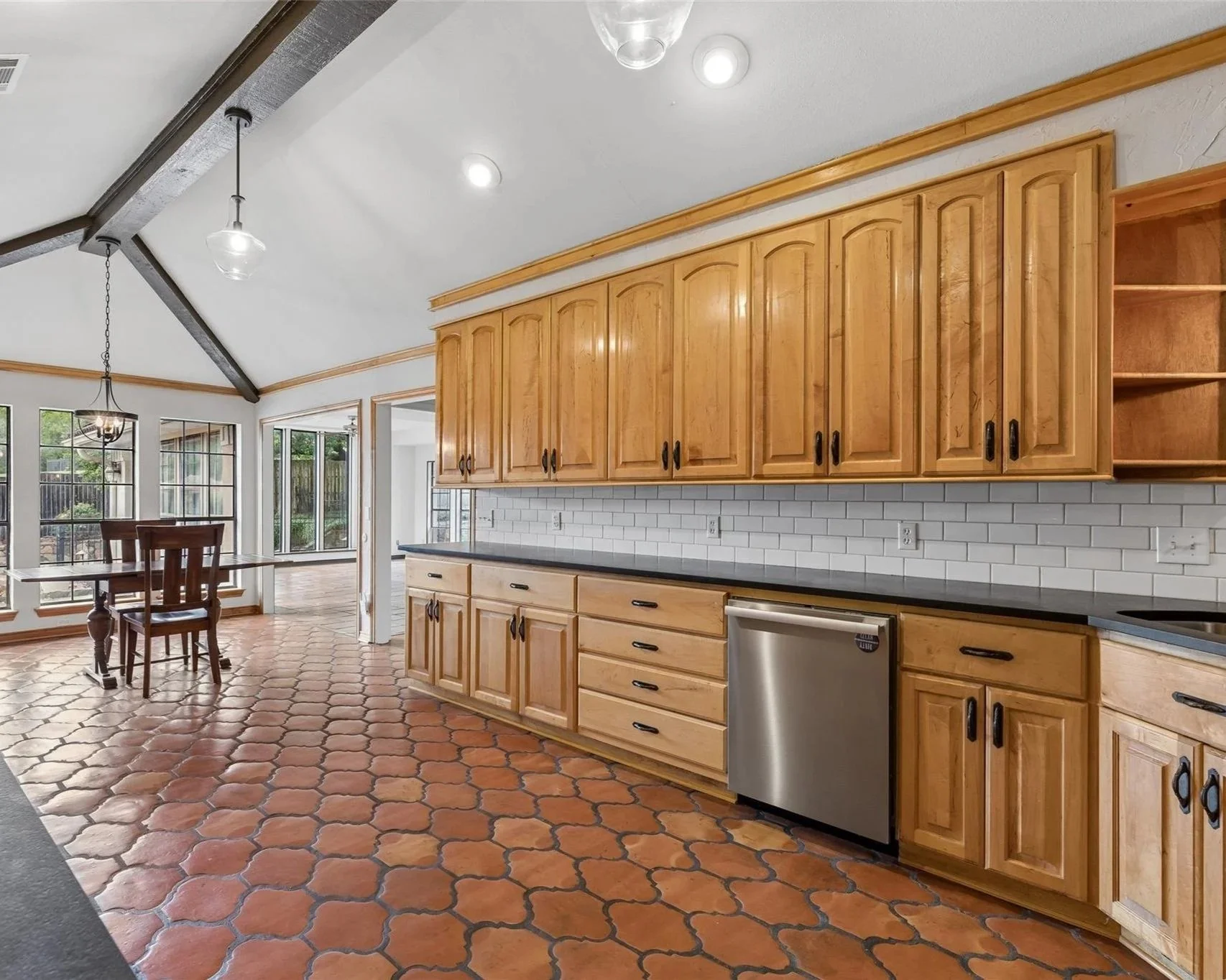
4 Eastshore Road, Heath TX
Smaller Can Be Smart — But Too Small Can Be a Problem
Buying one of the smaller homes in a strong neighborhood can sometimes create an attractive entry point.
You may be able to buy into the neighborhood at a lower price while benefiting from nearby homes that are larger or more updated.
But there is a balance.
A home can be smaller without being limiting.
Think about whether the house would still work for a family, a couple working from home, a buyer with children, or someone who regularly hosts guests.
A very small or unusually configured home may limit your future buyer pool.
The goal is not simply to buy the cheapest home in the neighborhood.
The goal is to buy a home that offers enough functionality to appeal to a broad range of buyers.
Think About Schools — Even If You Don't Have Children
Schools may not be one of your personal priorities.
They may still matter when you sell.
Homes in areas with schools that are attractive to buyers may draw from a larger pool of potential purchasers.
That does not mean school ratings should be the only consideration, and buyers should always research schools based on their own needs.
But from a resale perspective, it is worth understanding how the surrounding schools influence buyer demand in the neighborhood.
Think About the Next Buyer
One of the most useful questions you can ask before purchasing a home is:
Who else would want to buy this house?
It is easy to focus entirely on what works for you today.
But if equity and future resale matter, think about how broad the home's appeal might be later.
Features that can help attract a larger pool of buyers may include:
A functional floor plan
Multiple bedrooms
Office or flex space
A usable backyard
Good storage
An attractive lot
A convenient location
Strong neighborhood appeal
Established landscaping
Schools that are attractive to buyers
Easy access to shopping, dining, and major roads
The more buyers who could potentially see themselves living there, the stronger your resale position may be.
Cosmetic Updates Can Be an Opportunity
A home does not have to be neglected to have room for improvement.
Sometimes the opportunity is surprisingly simple.
Maybe the home needs:
Fresh paint
New flooring
Updated light fixtures
New hardware
Landscaping
Updated countertops
Bathroom improvements
A kitchen refresh
These are the kinds of changes that can alter how buyers perceive a home without changing its fundamental structure.
You are taking something buyers may currently see as dated and making it feel current.
That is very different from purchasing a home with major foundation, structural, plumbing, electrical, or drainage problems.
A Dated Home Is Not Automatically a Deal
This is an important distinction.
Just because a home needs updates does not mean it is priced well.
The numbers still have to make sense.
Before assuming a home has equity potential, look at what updated homes in the neighborhood actually sell for, what the improvements might cost, and how much you are paying for the property today.
If you pay too much for the dated house and then spend heavily renovating it, there may be little room left to create value.
That is why the purchase price matters just as much as the renovation plan.
Don't Over-Improve the Neighborhood
It is also possible to spend too much.
If nearby homes typically sell within a certain range, putting luxury-level finishes into a home may not result in a matching increase in value.
The goal is usually to improve the property in a way that makes sense for the neighborhood.
You want the home to feel competitive — not dramatically overbuilt compared with everything around it.
What Does the Ideal Opportunity Look Like?
Every situation is different, but a home with good equity-building potential might have several of these characteristics:
An established neighborhood.
A desirable location within that neighborhood.
A good lot with mature trees or extra privacy.
A functional floor plan.
Enough space to appeal to future buyers.
Strong surrounding homes.
Little or no competing new construction.
Mostly cosmetic updates needed.
A purchase price that leaves room to make improvements.
That combination is often far more important than whether the kitchen currently has the latest countertops.
The Prettiest House Is Not Always the Smartest Buy
It is easy to walk into a fully renovated home and fall in love.
Everything is finished. Everything photographs beautifully. There is nothing to do.
And sometimes that is exactly the right house to buy.
But if building equity is part of your goal, it may be worth looking at the house other buyers scroll past.
The one with the old flooring.
The one with the dated kitchen.
The one that needs paint.
If it has the right location, the right lot, the right layout, and the right price, you may be able to improve it over time while creating a home that feels more valuable than the one you originally purchased.
Buy the location. Create the value.
If you're considering buying a home in Rockwall County, we can help you evaluate more than the finishes. We look at the neighborhood, surrounding sales, lot, layout, resale potential, and the factors that may matter years from now — not just what looks good today.
Learn more in our Buying a Home in Rockwall guide:
https://www.the-mccoy-group.com/buying-a-home-rockwall-tx
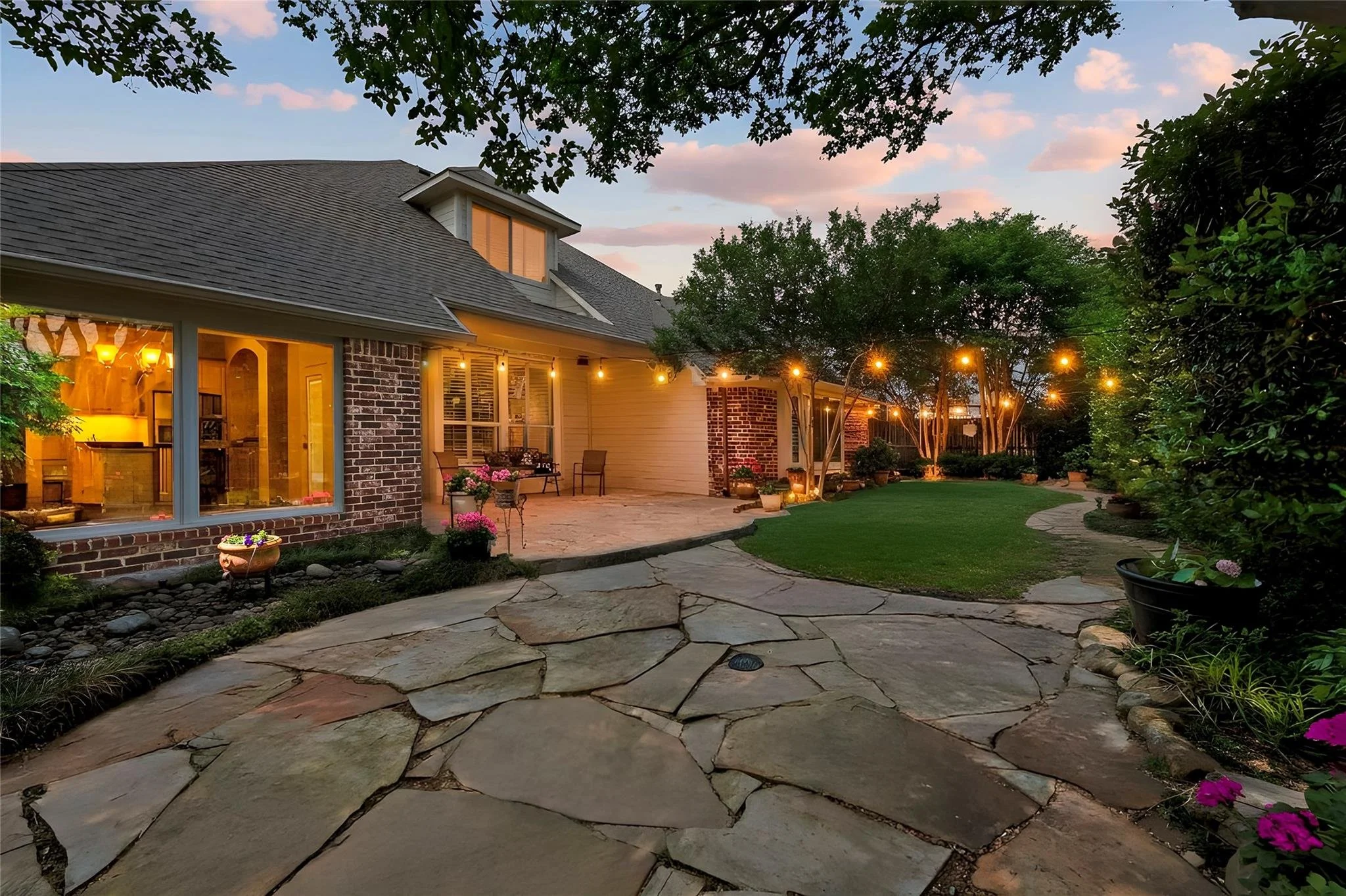
521 Shoreview Drive, Rockwall TX