Living in Greenville, Texas
Homes & Real Estate
Located in Hunt County east of Rockwall and Caddo Mills, Greenville is one of the larger established communities along the I-30 corridor east of Dallas.
Unlike some of the newer growth markets closer to Rockwall County, Greenville offers a broad mix of older neighborhoods, historic homes, traditional subdivisions, newer construction, larger lots and acreage properties.
For buyers willing to expand their search farther east, Greenville can offer different price points, more property variety and access to an established city with its own downtown, employment base and services.
The McCoy Group, REALTORS® helps buyers and sellers in Greenville, Rockwall County and surrounding North Texas communities.
Where Is Greenville, Texas?
Greenville is located in Hunt County east of Caddo Mills and Royse City along Interstate 30.
I-30 is the city’s primary east-west connection toward Rockwall and the Dallas-Fort Worth area, while US 69 and SH 34 provide additional regional access.
Greenville also functions as an employment and service center for much of Hunt County, which gives the city a different character from smaller nearby communities.
For buyers who want more housing options farther east while maintaining access back toward Rockwall and Dallas, Greenville can be worth considering.
What Is It Like to Live in Greenville?
Greenville is an established city with a much broader mix of neighborhoods and property types than many newer suburban markets.
Some areas include older homes on traditional city streets, while others feature newer subdivisions, larger lots or more rural-style properties on the edges of the city.
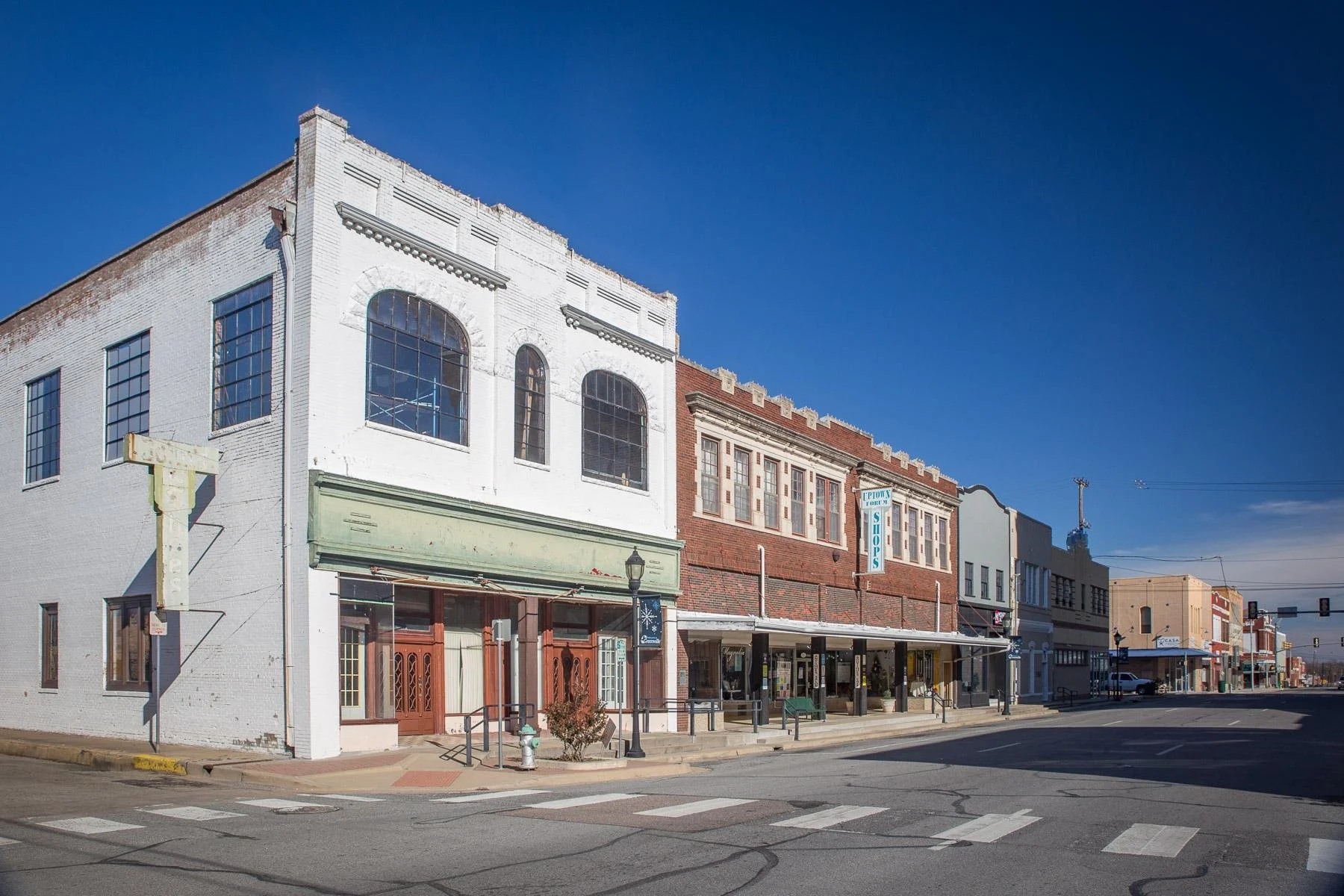
Downtown Greenville adds another layer of character, with historic buildings, local businesses, restaurants, events and ongoing revitalization efforts.
The City participates in the Texas Main Street program and continues to emphasize preservation-based economic development in the downtown area.
Homes for Sale in Greenville
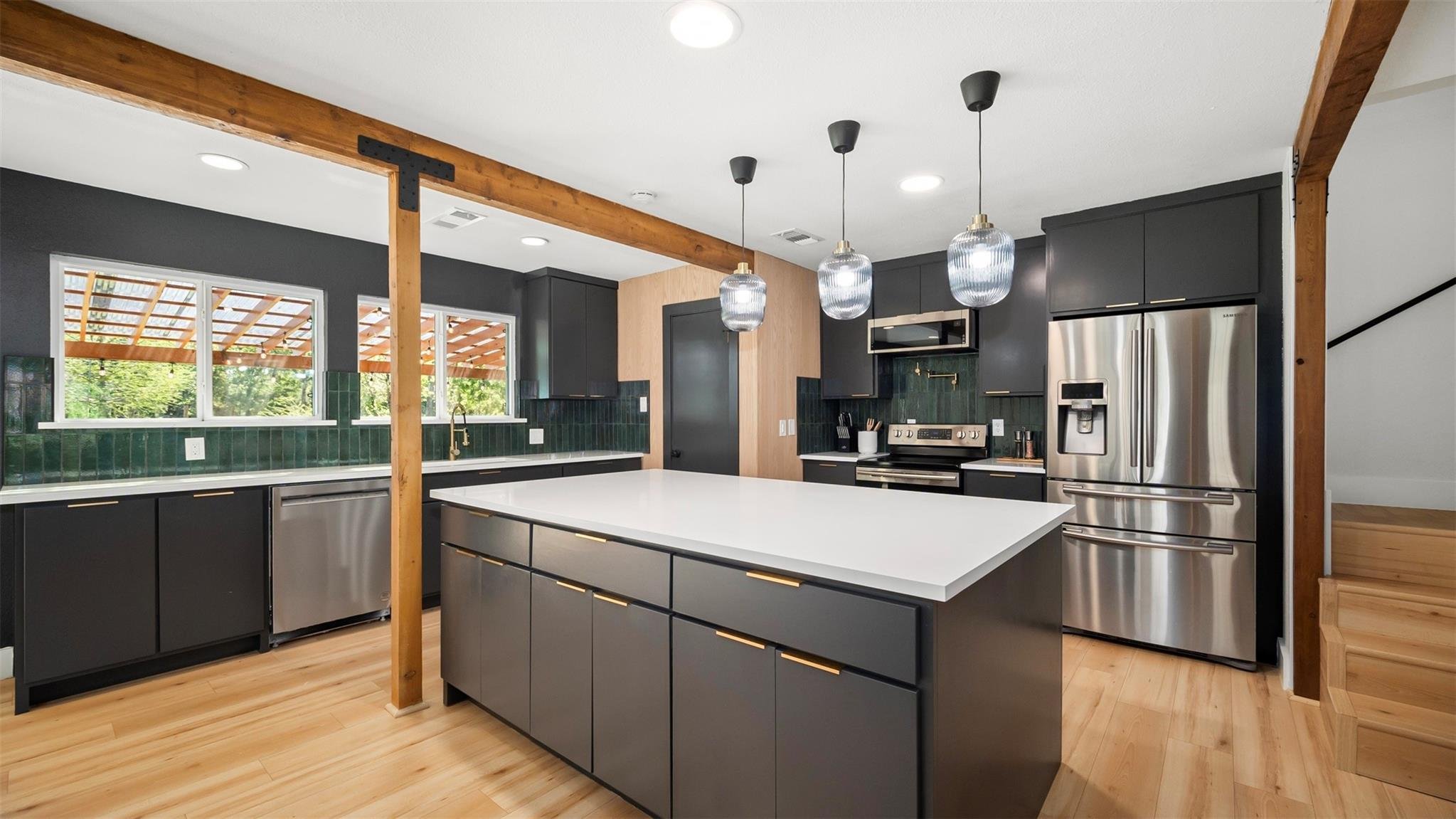
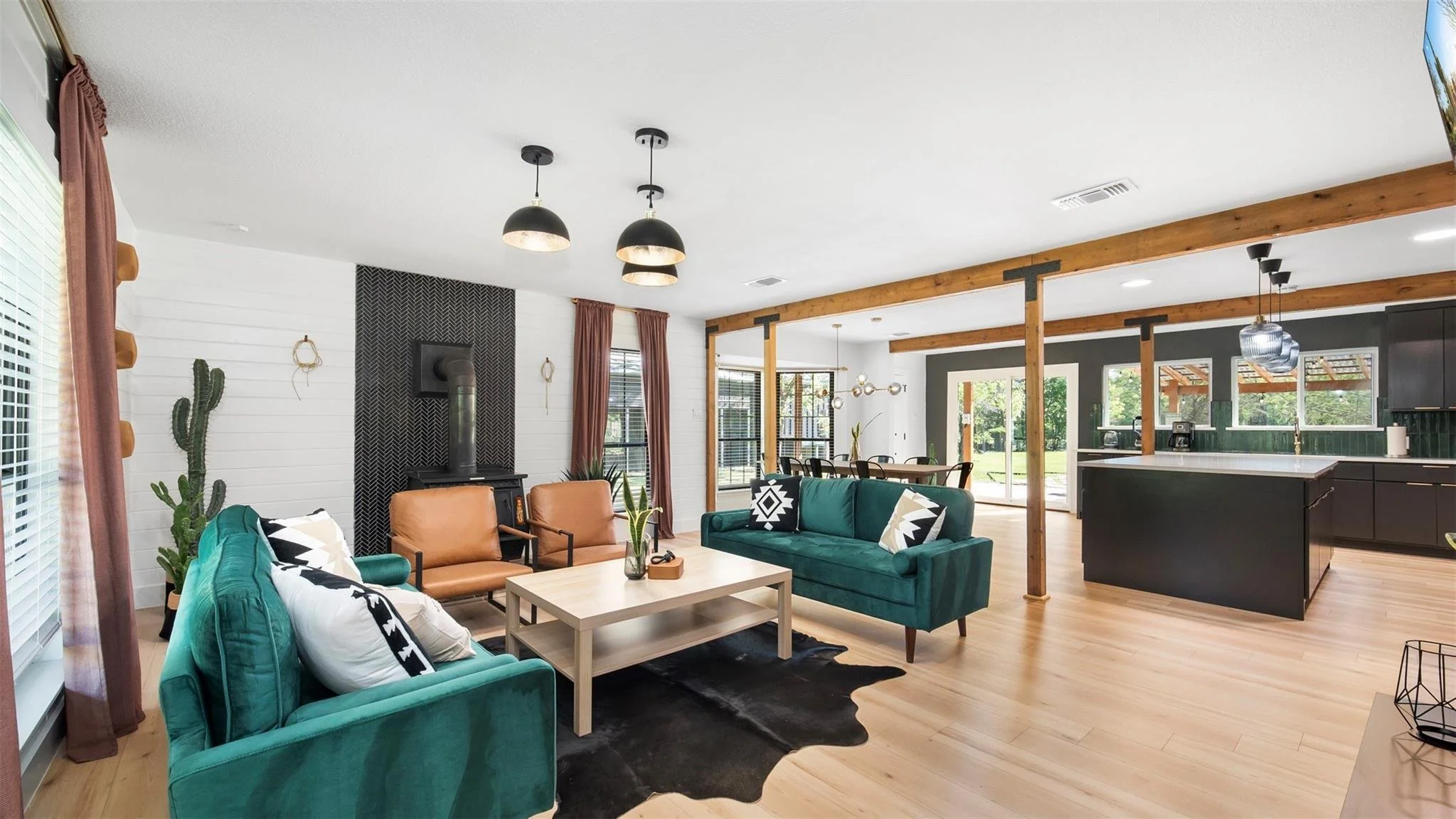
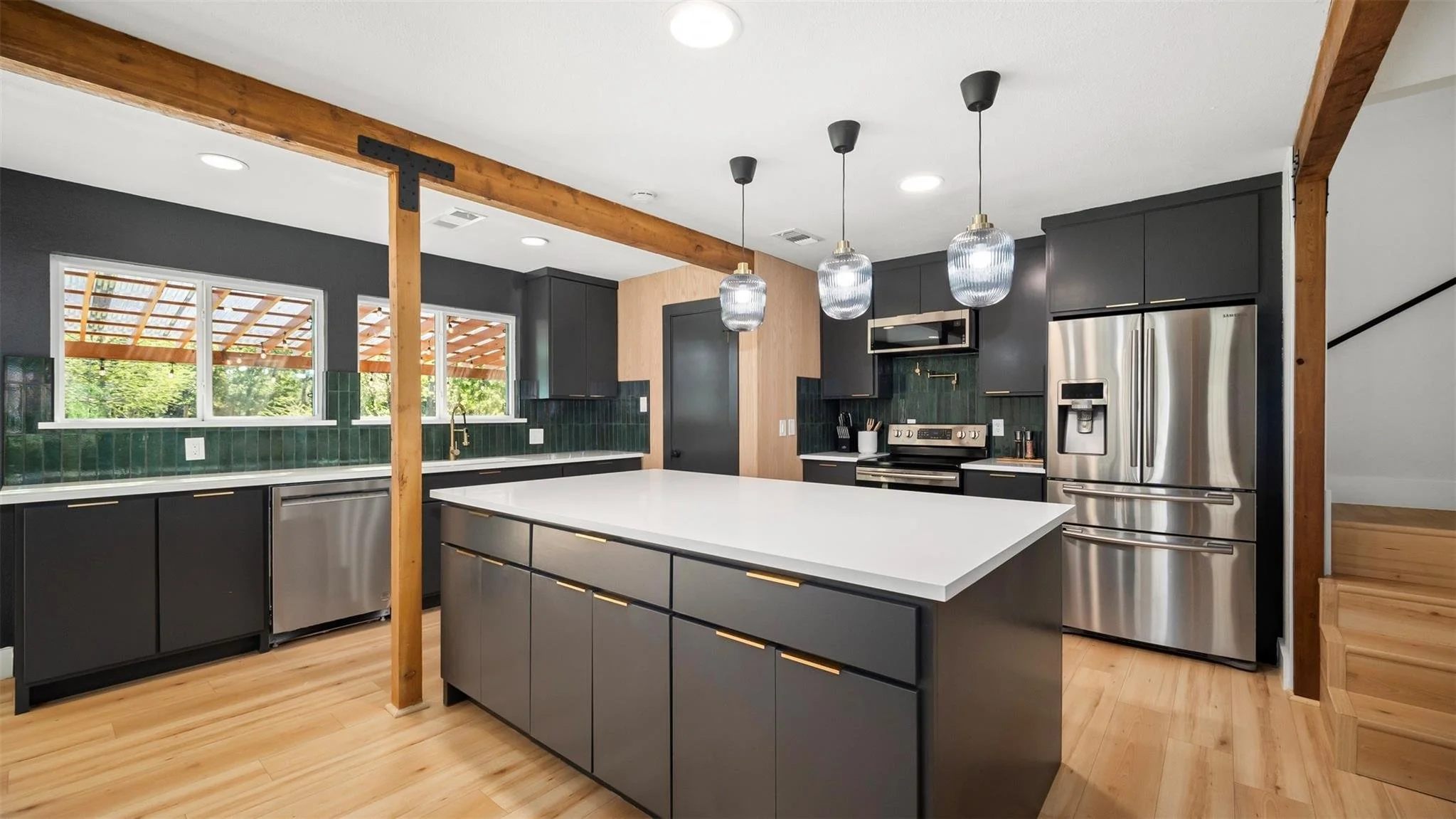
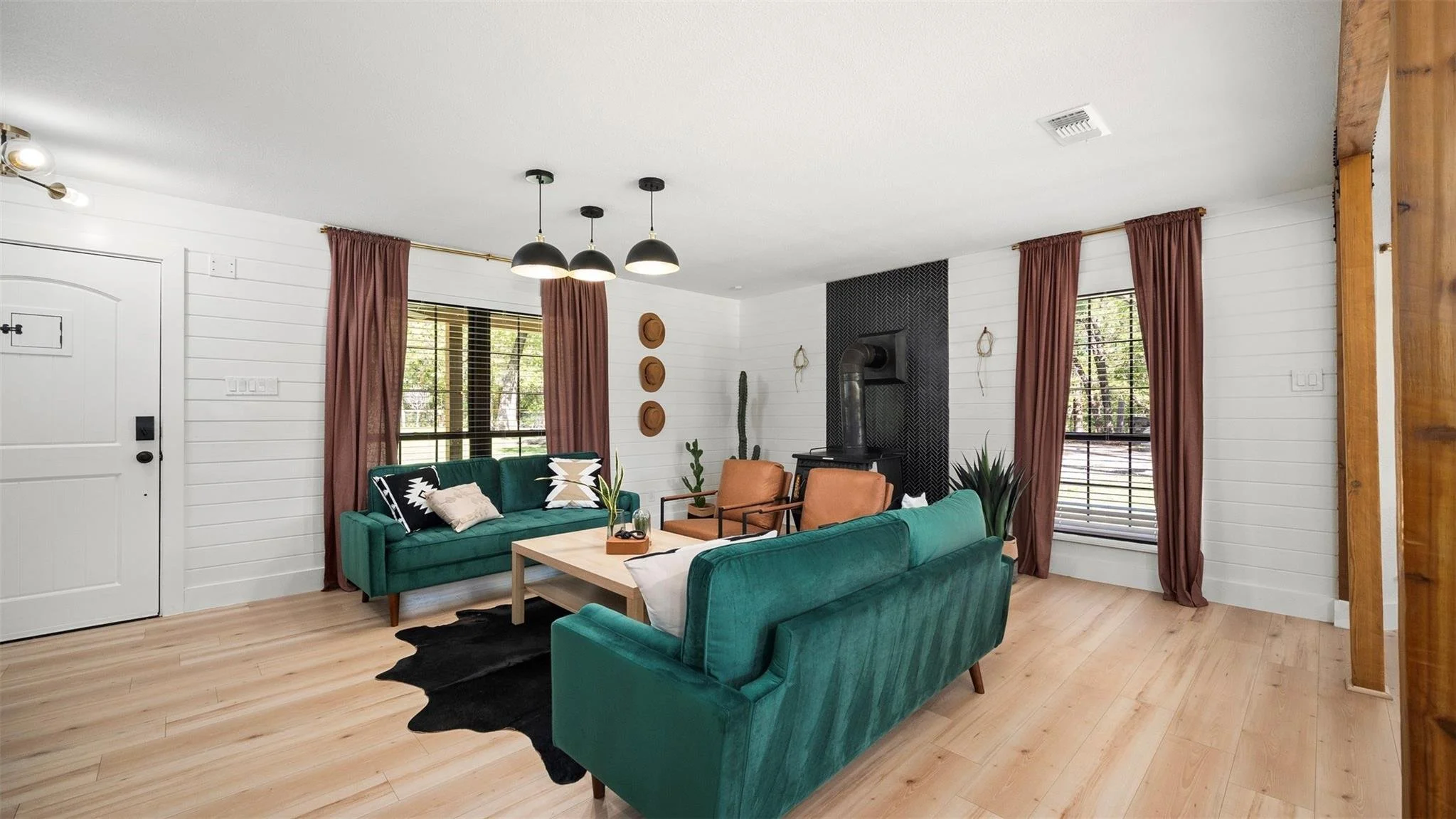
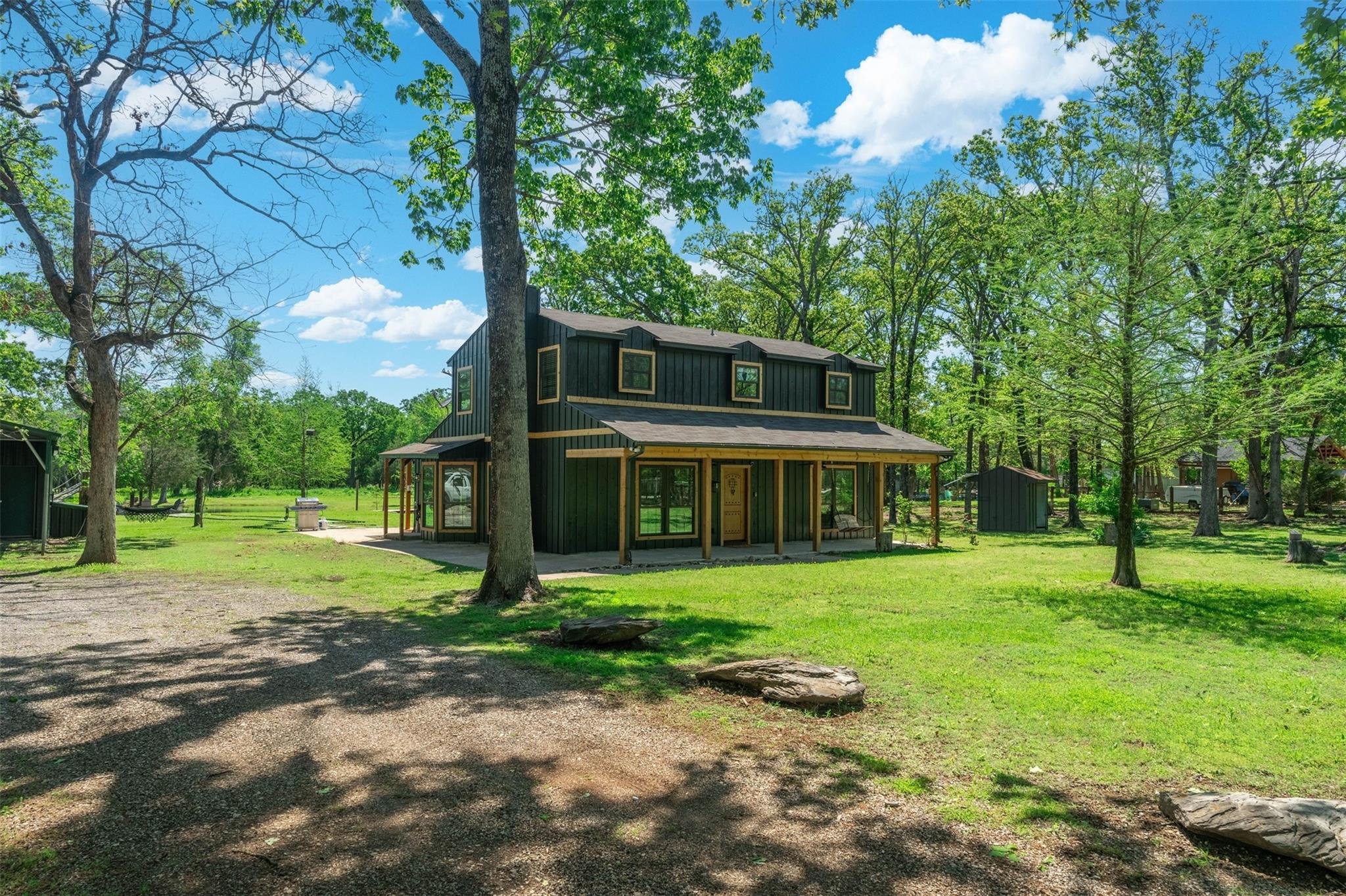
Greenville’s housing inventory includes established single-family homes, historic properties, newer resale homes, new construction and properties with additional land.
Because the market developed over many decades, buyers will see significant differences in age, condition, lot size, architectural style and neighborhood setting.
An older home may offer character, mature trees and a central location, while a newer property may provide lower immediate maintenance, modern finishes and more predictable systems.
Buyers should evaluate the entire property rather than comparing homes only by price.
Search Greenville Homes for Sale →
Historic Downtown Greenville & Older Homes
Greenville was founded in 1846 as the county seat of Hunt County and grew significantly as railroads reached the city in the late 1800s. Cotton became an important part of the local economy, helping Greenville develop into a regional center for commerce, transportation, and civic life. That history is still visible today in the streets, buildings, and older neighborhoods surrounding downtown.
Downtown Greenville developed around the courthouse square and includes a mix of historic commercial buildings, civic landmarks, and properties that reflect different periods of the city’s growth. Several sites in and around downtown have been recognized with historic designations or markers, giving the area a sense of character that feels very different from the newer suburban communities found throughout much of North Texas.
The historic character also extends into nearby residential areas, where buyers can find older homes with mature trees, established streets, larger lots, and architecture from multiple eras. These properties can offer details and craftsmanship that are difficult to replicate in newer construction, but they can also vary considerably in condition and level of renovation.
For buyers interested in an older Greenville home, it is especially important to evaluate the individual property rather than relying on age alone. Foundation and structural condition, electrical and plumbing systems, previous renovations, insurance considerations, and any applicable historic restrictions or local requirements should all be reviewed carefully.
For buyers who value a traditional downtown, established neighborhoods, and a stronger sense of local history, Greenville offers a housing experience that is noticeably different from many of the faster-growing communities closer to Dallas.
Larger Lots and Acreage in Greenville
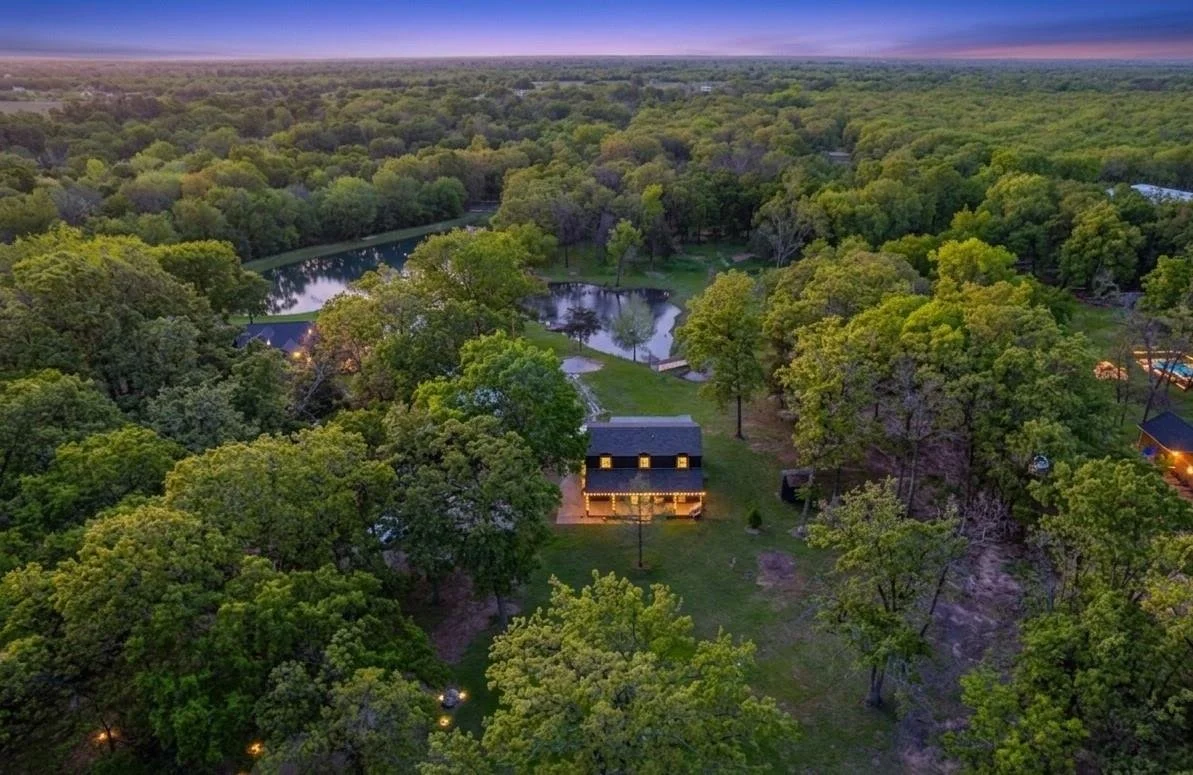
Greenville and the surrounding Hunt County area can also appeal to buyers looking for more land.
Depending on current inventory, buyers may find homes on oversized lots, small acreage tracts and more rural properties outside traditional subdivisions.
Larger properties can offer room for workshops, additional vehicles, animals, recreational space or simply more separation between neighbors.
Buyers should still evaluate the usability of the land itself.
Drainage, floodplain, easements, fencing, septic systems, wells, road access and deed restrictions can all affect whether an acreage property truly fits the buyer’s intended use.
New Construction in Greenville
New construction is available in and around Greenville, although the city’s housing market is not defined solely by new subdivisions.
That creates an interesting comparison for buyers.
A new home may offer current finishes, energy efficiency and builder warranties, while an established home may provide a larger lot, mature landscaping or a more central location.
Builder incentives can be attractive, but buyers should compare the full transaction, including financing terms, lot premiums, HOA costs, property taxes, upgrades and future neighborhood phases.
Greenville ISD
Greenville Independent School District serves much of the city.
The district currently reports more than 5,600 students across nine campuses, including elementary, intermediate, middle and high school options.
As with any growing district, attendance boundaries and programs can change.
Buyers should verify the district and assigned campuses for the specific property they are considering directly with Greenville ISD.
Commuting From Greenville
Greenville is farther east than Rockwall County, so commute direction is an important consideration.
Interstate 30 provides the primary route west toward Caddo Mills, Royse City, Rockwall and Dallas.
US 69 and SH 34 also connect Greenville with other parts of Hunt County and surrounding North Texas communities.
For some buyers, the additional drive may be worthwhile in exchange for more home, land or a different price point.
Others may prefer to remain closer to Rockwall County or Dallas.
The best approach is to evaluate the actual commute from the specific property rather than relying only on mileage.
Property Taxes in Greenville
Property taxes can vary from one Greenville property to another.
A home’s annual tax bill depends on its taxable value and the taxing entities that apply to the specific address. These may include Hunt County, the City of Greenville, Greenville ISD and other special-purpose districts.
Properties outside the city limits or within different districts may have a different tax structure.
Buyers should review the actual tax record and taxing jurisdictions for the property they are considering rather than applying one general tax percentage across Greenville.
City Property vs. Rural Greenville Property
A Greenville mailing address can include very different types of property.
A home within the city may have municipal utilities, city services and a more traditional neighborhood setting.
A property farther outside town may have more land but also rely on septic systems, wells, propane or other utility arrangements.
Road maintenance, restrictions and tax structures can also differ.
Buyers should verify the property’s jurisdiction, utilities and restrictions before purchasing.
What Buyers Should Know About Greenville
Greenville’s variety is one of its strengths, but it also means due diligence can differ significantly from one property to another.
An older home near downtown may require more attention to renovation history and major systems.
An acreage property may require septic, drainage, easement and land-use evaluation.
A new-construction home may involve builder incentives, HOA costs and future neighborhood phases.
Understanding the type of property you are buying is just as important as choosing the city itself.
Is Greenville Right for You?
Greenville may be a strong fit for buyers who want more housing variety, a historic downtown, access to acreage and a more established city farther east along I-30.
It can also appeal to buyers looking for a different price point than they may find closer to Rockwall or Dallas.
For some buyers, the additional distance is an acceptable tradeoff for more property or a different type of home.
Others may prefer Caddo Mills, Royse City or Rockwall County for a shorter commute or newer suburban setting.
Comparing several communities side by side can help clarify which tradeoffs matter most.
Explore Communities Beyond Rockwall County
Greenville is one of several communities buyers may consider when expanding their search beyond Rockwall County.
The McCoy Group also works with buyers and sellers in Rowlett, Forney, Caddo Mills, Lavon, Farmersville and surrounding North Texas communities.
Work With The McCoy Group in Greenville
The McCoy Group, REALTORS® helps buyers and sellers throughout Rockwall County and surrounding North Texas communities, including Greenville.
Whether you are considering an older home near downtown, new construction, acreage or simply comparing Greenville with communities closer to Rockwall, we can help you evaluate the property and the larger picture.
Our goal is to help you understand the home, land, location, taxes and long-term fit before you make a decision.
Ready to Buy or Sell in Greenville? Contact The McCoy Group →
Frequently Asked Questions About Greenville, Texas
Where is Greenville, Texas?
Greenville is located in Hunt County east of Caddo Mills and Royse City along Interstate 30.
Is Greenville growing?
Yes. Greenville continues to plan for residential, commercial, employment and transportation growth, particularly around major corridors such as I-30, Joe Ramsey Boulevard and US 69.
Does Greenville have historic homes?
Yes. Greenville has older residential areas and a historic downtown with preserved buildings, historic markers and properties listed on the National Register of Historic Places. Buyers interested in older homes should carefully evaluate condition, renovation history and major systems before purchasing.
Can you find acreage in Greenville?
Yes. Greenville and the surrounding Hunt County area offer larger lots and acreage properties in addition to traditional subdivision homes. Available land and lot sizes vary by location and current inventory.
Are there new construction homes in Greenville?
Yes. New construction is available in and around Greenville, although the market also includes a substantial supply of established and older homes. Available builders, communities and inventory change over time.
What school district serves Greenville?
Many properties in Greenville are served by Greenville Independent School District. Buyers should verify the district and assigned campuses for the specific property they are considering.
Is Greenville farther from Dallas than Rockwall?
Yes. Greenville is east of Rockwall along I-30, so buyers commuting toward Dallas generally have a longer drive. For some buyers, the tradeoff may be access to different price points, larger lots or acreage.
Are all Greenville properties inside the city limits?
No. Some properties with Greenville mailing addresses may be located outside the city limits or in more rural areas. Buyers should verify the property's jurisdiction, utilities, road access and tax structure.
Are property taxes the same throughout Greenville?
No. Property taxes can vary depending on the city, school district and special-purpose taxing districts that apply to a specific property. Buyers should review the actual tax record and taxing entities for the home they are considering.
Should I buy in Greenville or Rockwall County?
That depends on your priorities. Greenville may appeal to buyers looking for broader housing choices, acreage, historic homes or different price points, while Rockwall County may be a better fit for buyers prioritizing Dallas access, lake amenities or a more established suburban setting. Comparing specific properties in both areas is often the best approach.